Latest employment policy updates

We are continually updating and expanding the SixFifty Employee Handbook and Policy Library to reflect the latest federal and state law requirements and emerging best practices. See a snippet of our latest handbook related updates below.

January 2026

For more information on these updates, log in to your SixFifty account or request a demo of our Employee Handbook tool to ensure you’re always compliant.

  • Washington Adopts Permanent Sick Leave and Domestic Violence Leave Rule Expansions (effective January 2, 2026): The Washington Department of Labor & Industries has published permanent rules incorporating recent legal changes that allow employees to use sick leave for immigration proceedings and to use domestic violence leave if they are the victim of a hate crime. These permanent rules became effective January 2, 2026. In addition, beginning January 1, 2026, healthcare settings in Washington must develop and implement workplace violence prevention plans, in collaboration with employer and employee-elected members of a committee, to prevent and protect employees from workplace violence.

  • New York Expands Workplace Safety, Leave, and Emergency Preparedness Requirements: Governor Hochul signed several laws impacting New York employers, including:

    • Opioid Antagonists Required in Workplace First Aid Kits (effective June 10, 2026): Assembly Bill A2725 requires private-sector employers who are federally mandated to maintain workplace first aid supplies to include an opioid antagonist, such as naloxone, in those kits. The law applies across industries, excludes government agencies, and directs the Department of Labor to issue regulations addressing quantity requirements and training standards.

    • Healthcare Workplace Violence Prevention Mandates (effective January 1, 2027): Senate Bill S5294-B requires all general hospitals and nursing homes to implement comprehensive workplace violence prevention programs. Covered facilities must complete annual safety and security assessments and develop written plans addressing engineering controls, security measures, staff training, incident reporting, and employee involvement. Nursing homes may satisfy state requirements through compliance with applicable federal CMS regulations if workplace violence is addressed. Hospitals in jurisdictions with more than one million residents must maintain at least one off-duty law enforcement officer or trained security professional in emergency departments at all times, with similar requirements applying to smaller hospitals unless exempt as critical access, sole community, or rural emergency hospitals.

    • Paid Family and Medical Leave Expanded for Certain Union Construction Workers (effective December 19, 2025): A separate law extends paid family and medical leave eligibility to covered employees performing construction-related work for multiple employers under a collective bargaining agreement, provided they were employed for at least 26 of the last 39 weeks.

  • New Hampshire Expands Pregnancy- and Child-Related Medical Appointment Leave: Under New Hampshire’s parental leave law, employers with 20 or more employees must provide up to 25 hours of leave for employees to attend their own medical appointments related to pregnancy, childbirth, or postpartum care, or to attend pediatric medical appointments for their child within one year of the child’s birth or adoption.

  • Pennsylvania (Philadelphia) Prohibits Discrimination Based on Menstrual and Menopausal Status (effective January 1, 2027): On December 3, 2025, Mayor Parker signed a bill making it unlawful for employers to discriminate against employees based on menstruation, perimenopause, or menopause. The ordinance takes effect January 1, 2027.

  • Ohio Requires E-Verify Use by Certain Construction Employers (effective March 19, 2026): Governor DeWine signed the E-Verify Workforce Integrity Act (HB 246), requiring nonresidential contractors, subcontractors, and labor brokers in the construction industry to use E-Verify to confirm worker employment eligibility. Penalties for violations range from $250 to $25,000 per violation, depending on the nature and frequency of noncompliance, and may also include civil actions and disqualification from state contracts.

  • Connecticut Updates Paid Leave Maximum Weekly Benefit Amount: Connecticut’s Paid Leave program maximum weekly benefit is now $1,016.40, capped at 60 times the state minimum wage.

  • Illinois Expands Whistleblower Protections Related to Immigration Enforcement (effective immediately): Governor Pritzker signed HB 1312 amending the Illinois Whistleblower Act to prohibit retaliation against employees who disclose or threaten to disclose, in good faith, violations of the Illinois or U.S. Constitution during civil immigration enforcement or violations of the Illinois Bivens Act. The amendments took effect immediately upon becoming law.

  • Federal Guidance Clarifies FMLA Coverage for Travel Time to Medical Appointments: On January 5, the U.S. Department of Labor issued an opinion letter clarifying that employees may use FMLA leave not only for time spent attending medical appointments, but also for time spent traveling to and from those appointments for their own serious health condition or that of a qualifying family member. The opinion further states that medical certifications do not need to address travel time to be considered complete and sufficient under the FMLA.

  • Rhode Island Expands Temporary Caregiver Insurance for Organ and Bone Marrow Donors (effective January 1, 2026): Beginning January 1, 2026, Rhode Island will require employers to allow employees to use up to eight weeks of Temporary Caregiver Insurance (TCI) leave to participate as a bone marrow or living organ donor. This change expands the program, which previously limited leave use to bonding with a new child or caring for a family member with a serious health condition.

December 2025

For more information on these updates, log in to your SixFifty account or request a demo of our Employee Handbook tool to ensure you’re always compliant.

  • Pennsylvania Expands Protected Characteristics Under the Human Rights Act (effective January 26, 2026): On November 25, 2025, HB 439 was signed into law, expanding Pennsylvania’s protected characteristics. Beginning January 26, 2026, the Pennsylvania Human Rights Act’s definition of race will include traits historically associated with an individual’s race, such as hair texture and protective hairstyles, including locs, braids, twists, coils, Bantu knots, afros, and extensions. The amendments also clarify that the term “religious creed” includes head coverings and hairstyles historically associated with religious creeds. Employers may still prohibit certain hairstyles or head coverings if they are restricted for a bona fide workplace health or safety reason.

  • Colorado Announces Reduced Paid Family and Medical Leave Contribution Rate for 2026: For 2026, the contribution rate for Colorado’s paid family and medical leave program will decrease from 0.9% of wages to 0.88% of wages.

  • New Jersey Lowers Employee Paid Family and Medical Leave Contribution Rate for 2026: For 2026, the employee contribution rate to New Jersey’s paid family and medical leave program will decrease from 0.33% of taxable wages to 0.19% of taxable wages.

  • Washington Increases Paid Family and Medical Leave Premium Rate for 2026: For 2026, the premium rate for Washington’s paid family and medical leave program will increase to 1.13% of an employee’s gross wages. Employers will be responsible for 28.57% of the total premium, while employees will pay the remaining 71.43%.

  • New York Sets Paid Family Leave Contribution Rate and Clarifies Anti-Retaliation Protections: For 2026, New York employees will contribute 0.432% of their gross wages per pay period toward the state’s paid family and medical leave program, with a maximum annual contribution of $411.91. In addition, on December 5, 2025, Governor Hochul signed SB 3398 clarifying that it is unlawful to discriminate or retaliate against individuals who request a reasonable accommodation. The legislation notes that these amendments clarify existing law and do not suggest that prior law permitted retaliation for accommodation requests. The amendments took effect immediately upon signature.

  • California Increases State Disability Insurance Withholding Rate for 2026: For 2026, the withholding rate for California State Disability Insurance—which funds the state’s paid family and medical leave program—will increase from 1.2% to 1.3%.

  • Delaware Finalizes Key Amendments Ahead of Paid Family and Medical Leave Launch (effective January 1, 2026): Delaware’s paid family and medical leave program will take effect January 1, 2026, and the state has adopted several important amendments employers should be aware of. Under the amendments:

    • All employers must use a 12-month leave period measured forward from the date an employee first takes leave, replacing the prior option to choose among multiple FMLA measurement methods.

    • Employees qualify for paid family leave if they primarily work in Delaware, meaning they earn at least 60% of their wages while physically working in the state.

    • Employers that voluntarily offer paid leave benefits beyond what the law requires may not require employees to contribute toward the cost of those additional benefits and must fund them entirely.

    • Employers may not require employees to use PTO before accessing paid family leave benefits, but employers and employees may agree in writing to allow PTO to supplement paid leave benefits up to 100% of wages.

  • Pennsylvania (Pittsburgh) Expands Local Anti-Discrimination Protections (effective immediately): On November 12, 2025, Mayor Gainey signed Ordinance 2025-2359, which was passed by the Pittsburgh City Council two days earlier. The ordinance amends the city’s anti-discrimination provisions by expanding the definitions of “discriminate” and “discrimination” to include any difference in treatment based on an actual or perceived protected class or protected activity. It covers unequal treatment or segregation, as well as facially neutral policies or practices that result in a disparate impact on protected groups. The ordinance also defines a “perceived protected class” as one in which a person is believed to have protected traits, even if that belief is incorrect. The ordinance took effect immediately upon passage.

  • Illinois Updates Right to Privacy in the Workplace Act to Address Immigration-Related Notices (effective immediately): Governor Pritzker signed SB 2339 amending Illinois’ Right to Privacy in the Workplace Act. Under the amended law, employers may not take adverse action against employees based solely on notice from an entity not responsible for enforcing immigration law, such as the SSA or IRS, indicating a discrepancy in a tax ID number or other identifying documents. Employers must notify the affected employee within five business days and allow the employee to contest the discrepancy within the timeframe required by federal law. When possible, notice must be delivered in person; otherwise, it must be sent by mail and email (if known), and the employee’s authorized representative must also be notified. Employers may face penalties of up to $5,000 for repeat violations. These requirements took effect immediately upon signature on December 12, 2025.

November 2025

For more information on these updates, log in to your SixFifty account or request a demo of our Employee Handbook tool to ensure you’re always compliant.

  • Minnesota Paid Family and Medical Leave Notice Requirements: We previously notified you of updates to Minnesota’s Paid Family and Medical Leave law. This is a reminder that employers are responsible for providing required notices to employees, including:

    • By November 1, 2025, posting a notice informing employees of their paid family and medical leave benefits in a location where employees are likely to see it.

    • By the later of December 1, 2025, or within 30 days of hire, providing each regular employee with a written notice explaining paid family and medical leave benefits. The state has provided a sample notice.

    • Notifying each seasonal employee that they are not eligible for paid family and medical leave benefits at the time of offer or by December 1, 2025, whichever is later.

  • Minneapolis Expands and Clarifies Paid Sick Leave Requirements (effective December 31, 2025): Minneapolis Mayor Frey signed Ordinance No. 2025-041 amending the city’s paid sick leave ordinance. The amended ordinance clarifies who is not considered an employee, expands the definition of family member, repeals the 90-day waiting period before employees may use sick leave, allows leave to accrue in fractions of an hour, permits leave to be taken in the same increments of time for which an employee is paid, expands permissible uses of leave, and updates the rules for frontloading sick leave. Employers may frontload leave in one of two ways: (1) provide 48 hours at the beginning of the year and pay out all accrued but unused time at year end, or (2) provide 80 hours at the beginning of the year with no payout required for unused time at year end. See the Minneapolis Sick Leave research entry for additional details.

  • Federal Guidance Clarifies National Origin Protections Under Title VII: The Equal Employment Opportunity Commission recently published guidance clarifying that Title VII of the Civil Rights Act protects employees and job applicants from discrimination based on national origin, including discrimination against Americans.

October 2025

For more information on these updates, log in to your SixFifty account or request a demo of our Employee Handbook tool to ensure you’re always compliant.

  • Michigan Upcoming Sick Leave Compliance Deadline (effective October 1, 2025): We previously updated you on Michigan’s new sick leave law. This is a reminder that Michigan employers with 10 or fewer employees must comply with the new sick leave requirements beginning October 1, 2025. Michigan has also published an extensive FAQ to help employers understand and comply with the law.

  • Nebraska Sick Leave Law and Notice Requirements Take Effect October 1, 2025: We previously updated you on Nebraska’s new sick leave law. This is a reminder that the law’s requirements take effect October 1, 2025. Employers were also required to display a new sick leave poster and provide the same notice (or an equivalent) to all current employees by September 15 and to all new employees upon hire.

  • California Expands Domestic Violence, Sexual Assault, and Stalking Leave Uses (signed October 1, 2025; effective January 1, 2026): Governor Newsom signed Assembly Bill No. 406, which expands permitted uses under California’s statewide domestic violence, sexual assault, and stalking leave law. The expansion allows an employee who is a victim, or a family member of a victim, to take leave to attend judicial proceedings related to the crime, including delinquency proceedings, postarrest release decisions, pleas, sentencing, postconviction release decisions, or any proceeding in which that person’s rights are at issue.

  • California Aligns Paid Sick Leave Uses With Crime-Related Leave Protections (effective immediately): Also signed on October 1, 2025, Assembly Bill No. 406 expands California’s statewide paid sick leave to cover the same purposes as the state’s domestic violence, sexual assault, and stalking leave law. Newly permitted uses include appearing in court as a witness when required by a court order and serving on an inquest or trial jury.

  • California Captive Audience Meeting Ban Invalidated by Federal Court: California previously enacted a law prohibiting employers from hosting captive audience meetings, which we discussed in a prior update. On September 30, 2025, however, a federal court ruled that the law was preempted by federal labor law and therefore invalid. Unless and until the ruling is appealed, employers are no longer subject to the state-level captive audience meeting prohibition.

  • California Expands Definition of “Family” for Paid Family Leave (signed October 13, 2025; effective July 1, 2028): Governor Newsom signed SB 590, expanding the definition of “family” under California’s Paid Family Leave program. Beginning July 1, 2028, employees may take Paid Family Leave not only to care for legally or biologically related family members, but also for an employee-designated person. While similar rules already exist under California’s unpaid family leave and sick leave laws, SB 590 adds stricter requirements, including that employees identify the designated person when first claiming benefits and attest, under penalty of perjury, that the relationship is equivalent to a family relationship.

  • Maryland Releases Proposed Regulations and FAQs for Paid Family and Medical Leave Program: Maryland’s Department of Labor has issued proposed regulations implementing the state’s new paid family and medical leave insurance program. The Department has also released FAQs to help employers understand and prepare for compliance with the regulations.

  • Minnesota Paid Family and Medical Leave Notice Obligations: We previously notified you of updates to Minnesota’s Paid Family and Medical Leave law. This is a reminder that employers are responsible for providing required notices to employees, including:

    • By November 1, 2025, posting a notice informing employees of paid family and medical leave benefits in a location where employees are likely to see it.

    • By the later of December 1, 2025, or within 30 days of hire, providing each regular employee with a written notice explaining paid family and medical leave benefits.

    • Notifying each seasonal employee that they are not eligible for paid family and medical leave benefits at the time of offer or by December 1, 2025, whichever is later.

  • West Virginia (Elkins) Enacts Broad Anti-Discrimination Ordinance (effective immediately): On October 16, 2025, the Elkins City Council passed an ordinance prohibiting discrimination based on a person’s real or perceived race, color, religion, national origin, sex, sexual orientation, gender identity, age, disability, marital status, familial status, or veteran status. Employers who violate the ordinance may be subject to civil penalties or lawsuits. The ordinance became effective immediately upon passage.

  • New York City Expands Earned Safe and Sick Time Requirements (effective February 22, 2026): The New York City Council passed amendments to the city’s sick leave law on September 25, 2025, which became law on October 25, 2025, without mayoral action. Beginning February 22, 2026, employers must provide a separate bank of 32 hours of unpaid Earned Safe and Sick Time (ESST) in addition to the 40 or 56 hours already required under the ESSTA. Employers must also allow use of this leave for additional reasons, including:

    • Caring for a minor child or a person with a disability living in the caregiver’s household who relies on the caregiver for medical care or daily living needs;

    • Attending a legal proceeding or hearing for subsistence benefits involving the employee, a family member, or a care recipient; or

    • Addressing any circumstance that would otherwise qualify for safe time or sick time under the ESSTA.

  • Oregon Requires Leave of Absence for Legislative Assembly Service: Under Oregon law, any member or prospective member of the Legislative Assembly who leaves regular employment to attend a regular or special legislative session, or to perform official duties that qualify for per diem or out-of-state travel reimbursement under ORS 171.072, must be granted a leave of absence for that service. For more information, see our research entry on this topic. We have updated our tools to reflect this requirement.

September 2025

For more information on these updates, log in to your SixFifty account or request a demo of our Employee Handbook tool to ensure you’re always compliant.

  • Texas Enacts “Women’s Bill of Rights” Defining Sex Under State Law (effective September 1, 2025): In June, Governor Abbott signed HB 229, also known as the “Women’s Bill of Rights,” into law, defining sex in the state based on biological characteristics. The law mandates that state agencies identify individuals as either male or female in all government records, effectively excluding gender identity from state-level protections. While HB 229 will restrict state-level employment protections, federal laws like Title VII of the Civil Rights Act still offer protections against gender identity discrimination. Employers in Texas may need to re-evaluate their workplace policies to ensure compliance with both state and federal laws.

  • New Jersey Expands Captive Audience Meeting Restrictions to Union Activity (signed September 3, 2025): Governor Murphy signed into law an amendment to the state’s captive audience meeting law, which already prohibited employers from requiring employees to attend meetings primarily intended to communicate the employer’s opinions about religion or politics. The amendment clarifies that prohibited political matters include issues related to elections, political parties, legislation, regulation, and decisions to join or support political, civic, community, fraternal, or labor organizations. As a result, employers are now prohibited from holding captive audience meetings related to union activity.

  • Maine Expands Predictive Scheduling Pay and Intermittent Leave Rights (effective September 23–24, 2025): Employers with 10 or more employees must provide predictive scheduling (or “reporting time”) pay when hours are canceled or reduced after an employee reports to work. The required pay is the lesser of two hours of regular pay or the scheduled shift pay. The law also requires employers to allow intermittent family or medical leave in increments of at least one workday, or smaller increments by agreement, but never less than one hour.

  • Oregon Clarifies Scope of Unpaid Family Leave and Return-to-Work Certification (effective September 28, 2025): An amendment to Oregon’s unpaid family and medical leave law clarifies that unpaid leave taken to care for a child applies only to the employee’s own child who is under age 18 or who is substantially limited by a physical or mental impairment. The amendment also allows employers to require certification from the employee’s health care provider confirming the employee is able to resume work.

  • Maryland Aligns State Parental Leave With Federal FMLA and Expands Military Protections (effective October 1, 2025): Employers covered by the federal FMLA will be exempt from Maryland’s unpaid parental leave law. In addition, the state’s military leave and employment protections will expand to cover all members of the Uniformed Services, including the armed forces, NOAA, and the Public Health Service.

  • Nebraska, Montana, and Michigan Implement New Leave and Employment Protections (effective October 1, 2025): Nebraska’s new sick leave law takes effect October 1, 2025, and employers must display a new sick leave poster and provide the same notice (or an equivalent) to all current employees by September 15 and to new employees upon hire. Montana’s new protections for emergency service providers also take effect October 1, 2025. Michigan’s new sick leave law for employers with 10 or fewer employees likewise becomes effective on October 1, 2025.

  • Alaska Issues New Regulations and Guidance on Minimum Wage and Paid Sick Leave: The Alaska Department of Labor and Workforce Development has updated its Minimum Wage and Paid Sick Leave FAQ page and released new regulations clarifying several requirements. These include using an FTE-based headcount to determine the 15-employee threshold based on prior-year total hours worked by all employees, requiring sick leave notice at hire (which may be included in the handbook), and confirming that frontloaded sick leave does not require carryover.

  • Rhode Island Increases Temporary Caregiver Insurance Benefits (effective January 1, 2026): Under Rhode Island law, employees currently may receive up to seven weeks of Temporary Caregiver Insurance (TCI) benefits per year. Beginning January 1, 2026, the maximum duration of TCI benefits will increase to eight weeks per year.

  • Connecticut Expands Protected Characteristics and Leave Rights for Victims (effective October 1, 2025): On July 7, 2025, Governor Lamont signed HB 7236, adding victims of sexual assault and human trafficking to the state’s list of protected characteristics. Employers will be prohibited from discriminating against applicants and employees based on their status as victims of sexual assault or human trafficking. The law also extends existing leave rights for victims of domestic violence to victims of sexual assault and human trafficking. We have updated the Domestic Violence Leave policy to reflect this change.

  • Minnesota Paid Family and Medical Leave Program Approaches With Advance Notice Requirements (effective January 1, 2026): Minnesota’s paid family and medical leave program will take effect January 1, 2026, but employers must begin providing certain notices to employees by November 1, 2025. The state has released helpful guidance and an FAQ page for employers ahead of the program’s effective date.

August 2025

For more information on these updates, log in to your SixFifty account or request a demo of our Employee Handbook tool to ensure you’re always compliant.

  • Illinois’ Expansion of Family Military Leave Takes Effect: The Illinois Governor signed the state’s amendments to its military leave law will take on August 1st, creating Public Act 104-0078. See last month’s update for more information on this law. We have updated updated our Illinois military leave policies in the Employee Handbook and State Addenda.
  • Texas Enacts “Women’s Bill of Rights” Defining Sex Under State Law (effective September 1, 2025): In June, Governor Abbott signed HB 229, also known as the “Women’s Bill of Rights,” into law, defining sex in the state based on biological characteristics. The law mandates that state agencies identify individuals as either male or female in all government records, effectively excluding gender identity from state-level protections. While HB 229 will restrict state-level employment protections, federal laws like Title VII of the Civil Rights Act still offer protections against gender identity discrimination. Employers in Texas may need to re-evaluate their workplace policies to ensure compliance with both state and federal laws.

  • New Jersey Expands Captive Audience Meeting Restrictions to Union Activity (signed September 3, 2025): Governor Murphy signed into law an amendment to the state’s captive audience meeting law, which already prohibited employers from requiring employees to attend meetings primarily intended to communicate the employer’s opinions about religion or politics. The amendment clarifies that prohibited political matters include issues related to elections, political parties, legislation, regulation, and decisions to join or support political, civic, community, fraternal, or labor organizations. As a result, employers are now prohibited from holding captive audience meetings related to union activity.

  • Maine Expands Predictive Scheduling Pay and Intermittent Leave Rights (effective September 23–24, 2025): Employers with 10 or more employees must provide predictive scheduling (or “reporting time”) pay when hours are canceled or reduced after an employee reports to work. The required pay is the lesser of two hours of regular pay or the scheduled shift pay. The law also requires employers to allow intermittent family or medical leave in increments of at least one workday, or smaller increments by agreement, but never less than one hour.

  • Oregon Clarifies Scope of Unpaid Family Leave and Return-to-Work Certification (effective September 28, 2025): An amendment to Oregon’s unpaid family and medical leave law clarifies that unpaid leave taken to care for a child applies only to the employee’s own child who is under age 18 or who is substantially limited by a physical or mental impairment. The amendment also allows employers to require certification from the employee’s health care provider confirming the employee is able to resume work.

  • Maryland Aligns State Parental Leave With Federal FMLA and Expands Military Protections (effective October 1, 2025): Employers covered by the federal FMLA will be exempt from Maryland’s unpaid parental leave law. In addition, the state’s military leave and employment protections will expand to cover all members of the Uniformed Services, including the armed forces, NOAA, and the Public Health Service.

  • Nebraska, Montana, and Michigan Implement New Leave and Employment Protections (effective October 1, 2025): Nebraska’s new sick leave law takes effect October 1, 2025, and employers must display a new sick leave poster and provide the same notice (or an equivalent) to all current employees by September 15 and to new employees upon hire. Montana’s new protections for emergency service providers also take effect October 1, 2025. Michigan’s new sick leave law for employers with 10 or fewer employees likewise becomes effective on October 1, 2025.

  • Alaska Issues New Regulations and Guidance on Minimum Wage and Paid Sick Leave: The Alaska Department of Labor and Workforce Development has updated its Minimum Wage and Paid Sick Leave FAQ page and released new regulations clarifying several requirements. These include using an FTE-based headcount to determine the 15-employee threshold based on prior-year total hours worked by all employees, requiring sick leave notice at hire (which may be included in the handbook), and confirming that frontloaded sick leave does not require carryover.

  • Rhode Island Increases Temporary Caregiver Insurance Benefits (effective January 1, 2026): Under Rhode Island law, employees currently may receive up to seven weeks of Temporary Caregiver Insurance (TCI) benefits per year. Beginning January 1, 2026, the maximum duration of TCI benefits will increase to eight weeks per year.

  • Connecticut Expands Protected Characteristics and Leave Rights for Victims (effective October 1, 2025): On July 7, 2025, Governor Lamont signed HB 7236, adding victims of sexual assault and human trafficking to the state’s list of protected characteristics. Employers will be prohibited from discriminating against applicants and employees based on their status as victims of sexual assault or human trafficking. The law also extends existing leave rights for victims of domestic violence to victims of sexual assault and human trafficking. We have updated the Domestic Violence Leave policy to reflect this change.

  • Minnesota Paid Family and Medical Leave Program Approaches With Advance Notice Requirements (effective January 1, 2026): Minnesota’s paid family and medical leave program will take effect January 1, 2026, but employers must begin providing certain notices to employees by November 1, 2025. The state has released helpful guidance and an FAQ page for employers ahead of the program’s effective date.

July 2025

For more information on these updates, log in to your SixFifty account or request a demo of our Employee Handbook tool to ensure you’re always compliant.

  • Tennessee Dissolves Human Rights Commission and Moves Enforcement to the State Attorney General: Tennessee passed HB 0910/SB 0861 which, effective July 1, 2025, terminates the Tennessee Human Rights commission and gives the commission’s responsibilities over discrimination in employment, housing, public accommodations, malicious harassment, the Civil Rights Act of 1990, the “Tennessee Anti-Slapp Act,” and education to the state attorney general and its newly created civil rights enforcement division. All existing complaints filed with the Commission will be terminated and will need to be refiled with the Civil Rights Enforcement Division of the State Attorney General’s office. We have updated the Employee Handbook, State Addenda, and Equal Employment Opportunity policy with updated contact information for Tennessee employment complaints.
  • Vermont Expands Unpaid Family and Medical Leave: Governor Scott signed H. 461, which, effective July 1, 2025, expands unpaid Family and Medical leave (VPFLA) to cover bereavement leave, safe leave, and qualifying military exigency. All types of leaves are still limited to the existing 12 weeks of available unpaid leave under VPFLA. Bereavement leave is also limited to up to 5 consecutive work days at a time and only 2 of the employees’ 12 weeks per year. The definition of family member is also expanded to include nontraditional family structures. We have updated the Employee Handbook, State Addenda, and Family and Medical Leave policy to comply with this change.
  • Washington Expands Use of Paid Sick Leave: On April 25, 2025, Governor Ferguson signed HB 1875, requiring employers to allow employees to use their paid sick leave to prepare for or participate in immigration proceedings either for themselves or their family members. These changes take effect July 27, 2025. We have updated the Employee Handbook, State Addenda, and Sick Leave policy to comply with this change.
June 2025

For more information on these updates, log in to your SixFifty account or request a demo of our Employee Handbook tool to ensure you’re always compliant.

  • Alaska Bans Captive Audience Meetings: On November 6, 2024, Alaska voters passed Ballot Measure 1, prohibiting mandatory workplace meetings about religious or political issues. Beginning July 1, 2025, employers may not punish or threaten to punish employees for refusing to attend an employer-sponsored meeting or listen to communications from the employer about its opinion on religious or political matters. We have updated the Political Activities policy in the Employee Handbook to comply with the change.
  • Alaska Implements Paid Sick Leave Requirements: Also in accordance with Ballot Measure 1, which, among other things, requires employers to allow employees to earn one hour of paid sick leave for every 30 hours worked. There is no cap on the amount of leave employees can earn, but employers with fewer than 15 employees are only required to allow employees to use up to 40 hours of leave per year. Employers with 15 or more employees must allow employees to use at least 56 hours of leave per year. Sick leave can be used for personal mental or physical illness, care of a family member, and leave related to domestic violence, sexual assault, or stalking. Employees start accruing sick leave beginning July 1, 2025. Employers will also need to begin providing a new onboarding notice. We have added an Alaska Sick Leave policy to the Employee Handbook, State Addenda, and Sick Leave policy.
  • Indiana Protects Leave to Attend Certain School Meetings: On April 24, 2025, Governor Braun signed SB 0409, which requires employers to provide employees with unpaid leave to attend a truancy-related attendance conference or a case conference committee meeting for their child. Employees must provide at least 5 days’ advance notice and may be required to provide documentation of the need for the leave. This law is effective July 1, 2025. We have updated the Employee Handbook, State Addenda, and School Leave policy to comply with this change.
  • New Hampshire Lactation Accommodation Policy Requirement Takes Effect:
    Beginning July 1, 2025, New Hampshire will begin requiring employers with 6 or more employees in the state to implement a lactation policy that provides nursing mothers with appropriate break time and space to express milk. Employers will also need to notify new employees of the policy upon hire. The State Addenda has been updated to comply with this change. No change is necessary for the Employee handbook.
  • New York Increases Jury Duty Pay: On May 9, 2025, Governor Hochul signed the state budget, A 3005C, which includes an increase to the daily rate for jury duty from $40 to $72. Employers with 11 or more employees (the law doesn’t specify which employees to count) must pay employees this rate for their first 3 days of jury duty. The state pays this rate to employees of smaller employers. The new rate is effective June 8, 2025. We have updated the Employee Handbook, State Addenda, and Jury Duty Leave policy for larger employers to comply with this change.
  • Washington Expands Use of Paid Sick Leave: On April 25, 2025, Governor Ferguson signed HB 1875, requiring employers to allow employees to use their paid sick leave to prepare for or participate in immigration proceedings either for themselves or their family members. These changes take effect July 27, 2025. We have updated the Employee Handbook, State Addenda, and Sick Leave policy to comply with this change.
May 2025

For more information on these updates, log in to your SixFifty account or request a demo of our Employee Handbook tool to ensure you’re always compliant.

  • Illinois Adds Protections to the One Day Rest in Seven Act: Illinois has amended the One Day Rest In Seven Act to include protections against retaliation and discrimination. Employees are protected when they make a complaint, begin proceedings, testify, or exercise any other right under the law. Employers should review their Workweek and Work Schedules policy to ensure compliance with this change.
  • Cook County, Illinois Amends Paid Leave Regulations: The Cook County Board of Commissioners passed revisions to the county’s paid leave law. Paid leave accrual is now strictly based on hours worked, so leave won’t accrue while an employee is on paid leave. Also, payment for used leave can be delayed to the following pay period, and employers have the option to allow (but not require) employees to use paid leave during suspensions. Finally, while providing more benefits is not mandatory, any extra benefits offered during paid leave must mirror regular work benefits. We have added additional information to Research but no changes were needed for Cook County’s Paid Leave for Any Reason policy.
  • Maryland Pushes Back Paid Family and Medical Leave Dates: The Maryland General Assembly passed a bill to establish later effective dates for Maryland’s paid family and medical leave insurance program. Payroll deductions will begin on January 1, 2027. The recalculated maximum weekly benefit amount will also go into effect on January 1, 2027. Employers must remit the first payment to the State in April 2027. Maryland Paid Family and Medical Leave benefits become available to employees beginning January 3, 2028.

  • Missouri Paid Sick Leave Begins May 1: Beginning May 1, 2025, private Missouri employers need to start providing paid sick leave under Missouri’s new sick leave law. Employers must let their employees earn 1 hour of paid sick leave for every 30 hours worked. For more information see our Missouri Paid Sick Leave research entry or use the Sick Leave policy engine to generate the policy.

April 2025

For more information on these updates, log in to your SixFifty account or request a demo of our Employee Handbook tool to ensure you’re always compliant.

  • Federal: Executive Orders Now Enforceable: previously reported, in a challenge brought against the administration’s executive orders labeling DEI practices illegal, a federal judge issued a nationwide preliminary injunction blocking enforcement of the order, stating that the order and related agency enforcement threats are unconstitutionally vague and run contrary to the First Amendment. However, on March 14, the Fourth Circuit stayed that injunction, meaning those executive orders can now be enforced. Importantly, in staying the injunction, the court made it clear that the orders may only be enforced when federal contractors’ DEI programs violate federal anti-discrimination laws.

  • Missouri Updates Sick Leave Law: Beginning May 1, 2025, private Missouri employers need to start providing paid sick leave under Missouri’s new sick leave law. Employees earn 1 hour of paid sick leave for every 30 hours worked. There is no cap on the amount of leave employees can earn, but there is a carryover cap of 80 hours of leave and a use cap based on employer size. Employers with 15 or more employees in Missouri must allow employees to use up to 56 hours of leave per year. Those with fewer than 15 employees must allow employees to use up to 40 hours. We have added this policy to our handbook tools. For more information, see our Missouri Paid Sick Leave research entry or use the Sick Leave policy engine to generate the policy.
March 2025

For more information on these updates, log in to your SixFifty account or request a demo of our Employee Handbook tool to ensure you’re always compliant.

  • Michigan Updates Sick Leave Law: The Michigan legislature came to an eleventh-hour compromise on minimum wage and sick leave updates that were scheduled to take effect February 21, 2025. Review our recent special update about Michigan’s minimum wage and sick leave laws for the latest information. We pushed these changes to our tools on February 21.

  • Missouri: Kansas City Adds Criminal History to List of Protected Characteristics: Kansas City, Missouri, recently passed an ordinance that adds criminal histories to the list of protected characteristics, making it illegal to discriminate against people with criminal histories. The ordinance specifically prohibits the city from discriminating in hiring and employment decisions based on a person’s criminal history, but it is not clear whether that prohibition applies to private employers. Because of this ambiguity, private employers should consider not using a person’s criminal history as a deciding factor in making hiring or employment decisions.

February 2025

For more information on these updates log in to your SixFifty account or request a demo of our Employee Handbook tool to make sure you’re always in compliance.

  • U.S. Department of Labor Clarifies Interaction of PTO and FMLA: On January 14, 2025, the DOL issued an opinion letter clarifying that employers can’t require employees to use (and employees can’t unilaterally choose to use) available paid time off while on FMLA leave if the employee is also receiving benefits under a state or local paid family or medical leave program. But in this situation, the employer and employee can mutually agree that the employee will use available paid time off to supplement the paid family and medical leave benefits, so long as that’s allowed by state law. We’ve updated our FMLA policy to align with this opinion letter.
  • Michigan Updates its Paid Sick Leave and Minimum Wage and Tip Credit Laws: Last year, the Michigan Supreme Court ruled that the Michigan Legislature violated the state Constitution by adopting voter-initiated paid sick leave and minimum wage laws and later amending those laws in the same legislative session. The court ruled that the rules must be reinstated as they were written when adopted. This affects both paid sick leave and minimum wage requirements. Effective February 21, 2025, the state’s paid sick leave requirements will greatly expand. See our Michigan Sick Leave entry in Research for details on what will change. We have updated our documents to comply with these changes. Also, on February 21, 2025, the state minimum wage will be $12.48 per hour, and the state minimum tipped wage amount will be $5.99 per hour.
January 2025

We have a special update this month! We are proud to release our January 1, 2025 checklist! We’ve compiled an important list of legal updates that went into effect on the first of the year.

Click here to download.

Checklist Image

December 2024

For more information on these updates log in to your SixFifty account or request a demo of our Employee Handbook tool to make sure you’re always in compliance.

  • NLRB Holds Captive Audience Meetings Unlawful: On November 13, 2024, the National Labor Relations Board ruled that captive audience (mandatory) meetings meant to impose the employer’s opinion on unionization upon employees infringe on employees’ rights under Section 7 of the National Labor Relations Act and are therefore unlawful. The Board stated that voluntary meetings are still permissible if employees are informed in advance of the meeting’s content and its voluntary nature, employees are not punished for refusing to attend, and employers do not keep track of attendance. Importantly, this decision is specific to captive audience meetings about union activity; political and religious meetings are not discussed or affected by this decision.

  • Alaska Voters Ban Captive Audience Meetings: On election day, Alaska voters passed Ballot Measure 1, prohibiting mandatory workplace meetings about religious or political issues. Beginning July 1, 2025, employers may not punish or threaten to punish employees for refusing to attend an employer-sponsored meeting or listen to communications from the employer about its opinion on religious or political matters.

  • Alaska Passes New Paid Sick Leave Law: On November 6, 2024, Alaska voters passed Ballot Measure 1 which, among other things, requires employers to allow employees to earn one hour of paid sick leave for every 30 hours worked. There is no cap on the amount of leave employees can earn, but employers with fewer than 15 employees are only required to allow employees to use up to 40 hours of leave per year. Employers with 15 or more employees must allow employees to use at least 56 hours of leave per year. Sick leave can be used for personal mental or physical illness, to care for a family member, and for leave related to domestic violence, sexual assault, or stalking. Employees can start accruing sick leave beginning July 1, 2025.

  • Massachusetts Includes New Sick Leave Use: Massachusetts passed Bill S.1457 which amends the state sick leave law to cover reproductive loss events. Beginning November 21, 2024 employees can use their earned sick leave to address their own or their spouses’ physical and mental health needs if they experience pregnancy loss or a failed assisted reproduction, adoption, or surrogacy.

  • Missouri Passes New Sick Leave and Notice Requirements: On November 5, 2024, Missouri voters passed Proposition A, implementing, among other things, a new sick leave law. Employees will earn one hour of paid sick leave for every 30 hours worked. There is no cap on the amount of leave employees can earn, but employers with fewer than 15 Missouri employees are only required to allow employees to use up to 40 hours of leave per year. Employers with 15 or more Missouri employees must allow employees to use at least 56 hours of leave per year. Employees can start accruing sick leave beginning May 1, 2025. Part of that law requires employers to post a notice of available sick leave by April 15, 2025, in a place where employees will see it. The Department of Labor and Industrial Relations will publish a form notice before the effective date. Employers must also provide individual notice to employees of the availability of sick leave within 14 days of hire or by April 15, whichever is later. The notice must state (i) the accrual rate, (ii) that retaliation for employees taking leave is prohibited, (iii) that employees may sue the employer for violating the law, and (iv) the contact information for the Department.

  • Nebraska Passes New Sick Leave Law: On November 5, 2024, Nebraska voters passed the Paid Sick Leave Proposition which provides employees who work for at least 80 hours per year in Nebraska with paid sick leave. Employers with fewer than 20 eligible employees must provide up to 40 hours of paid sick leave per year and those with 20 or more eligible employees must provide up to 56 hours per year. Sick leave can be used for both personal and family health needs. This law is effective October 1, 2025.

November 2024

For more information on these updates log in to your SixFifty account or request a demo of our Employee Handbook tool to make sure you’re always in compliance.


  • California Expands Leave Protections for Crime Victims and Their Family: California passed AB-2499 which expands paid leave and updates unpaid employment protection for victims of crimes and their family members. The bill expands safe time uses of paid sick time, extends the types of crimes covered by sick leave, and adds leave for employees with a family member who is a victim of a crime.

  • California Expands Sick Leave Uses to Protect Agricultural Workers: California passed SB1105 which creates additional safe time uses for its statewide sick leave for agricultural employees who work outdoors. Agricultural employees may use their sick time in the case of smoke, heat, or flooding conditions caused by a local or state emergency.

  • The District of Columbia has Increased Paid Family Leave Contributions: The employer contribution rate for D.C. Paid Family Leave has almost tripled from .26% to .75% of gross wages. The first contribution at the new rate was due October 31 for wages reported during Q3 2024. See the District’s Rates and FAQ’s page for more information.

  • Maine Releases New FAQ Page in Anticipation of the State’s Paid Family and Medical Leave Program: Maine’s Paid Family and Medical Leave program begins January 1, 2025. To help with the program launch, the state has released a Frequently Asked Questions document.

  • Maryland Has Delayed its Paid Family and Medical Leave Program Start Date: Maryland has again delayed the start of its Paid Family and Medical Leave program. Employer program contributions will now begin July 1, 2025. Employees will be eligible to receive benefits beginning July 1, 2026.

  • Michigan Releases a New FAQ in Anticipation of Sick Leave Changes: Michigan has released an FAQ page to help answer questions about the upcoming Sick Leave changes. These changes are finally taking effect on February 21, 2025, after going through many legal challenges.

  • First Minnesota Paid Family and Medical Leave Wage Report Due: Minnesota employers needed to submit their first quarterly wage details report on October 31, 2024, with data from between July 1, 2024, and September 30, 2024. The state has updated its Unemployment Insurance reporting system to also collect reports for Minnesota Paid Leave because the requirements for both laws are similar. The Minnesota Unemployment Insurance website has information about these new changes and how employers can submit their reports. Payroll deductions and employee benefits for Minnesota Paid Leave beginning January 1, 2026.

October 2024

For more information on these updates login to your SixFifty account or request a demo of our Employee Handbook tool to make sure you’re always in compliance.

  • California Passes Captive Audience Meeting Ban: On September 27, 2024, California Governor Newsom signed SB 399, implementing a ban on captive audience meetings. Beginning January 1, 2025, employers may not require employees to attend employer-sponsored meetings whose primary purpose is to communicate the employer’s opinion concerning religious or political matters.

  • Connecticut Crime Victim Leave is Now Effective: Connecticut passed HB 5399 which goes into effect October 1, 2024, and expands crime victim employment protections to include victims of sexual assault. Employees may now be entitled to compensation from the state Paid Family and Medical Leave program and the Office of Victim Services’ victim compensation program at the same time as long as their total compensation doesn’t exceed their regular pay.

  • Delaware Employers Can Now Enroll in the State Paid Leave Program: Employers are now able to register for the Delaware Paid Leave program and must do that by December 1, 2024. Most employers with 10 or more employees are required to register and smaller employers can voluntarily join. Federal government employees and seasonal operations that shut down for a month or more are exempt. Payroll deductions for the program begin January 1, 2025, and employees can begin submitting claims for payment beginning January 1, 2026. The state provides additional information and resources on its website.

  • Illinois Expands Employment Protection for Armed Forces: Illinois passed HB 5640 which expands the definition of armed forces or uniformed services to include the United States Space Force. This change impacts the Illinois Military Family Leave Act which is covered in our Military Leave Policy. This change is effective January 1, 2025. We will update our documents one month before the law’s effective date.

September 2024

For more information on these updates login to your SixFifty account or request a demo of our Employee Handbook tool to make sure you’re always in compliance.

  • Hawaii Captive Audience Meetings Law Takes Effect: Approved on July 3, 2024, Hawaii’s captive audience meeting bill is now in effect. Under this new law, employers may no longer require employees to attend employer-sponsored meetings whose primary purpose is to communicate the employer’s opinion concerning religious or political matters. Nor may employers punish them for refusing to attend such meetings.

  • Illinois Captive Audience Bill Signed: Illinois Governor Pritzker recently signed Senate Bill 3649, implementing additional political activity protections for employees. Effective January 1, 2025, employers may no longer require employees to attend employer-sponsored meetings whose primary purpose is to communicate the employer’s opinion concerning religious or political matters. Nor may employers punish them for refusing to attend such meetings.

  • Michigan Sick Leave Initiative Reinstated: On July 31, 2024, in Mothering Justice v. Attorney General, the Michigan supreme court ruled that the state legislature overstepped by amending the voter-adopted Earned Sick Time Act. The court reinstated the law as it was originally written. Beginning February 1, 2025, employers with at least one employee must provide paid sick leave to their employees.

  • Minnesota Clarifies Interactions between Parental and Pregnancy Leave: As a part of SF 3852 Minnesota clarified that leave taken for prenatal medical care appointments does not count against leave available under the state’s Parental Leave law. Employers are also required to maintain health benefits for employees using pregnancy and parental leave. We have already updated our Parental Leave policy to comply with these changes.

  • New Hampshire Adopts the Crown Act: New Hampshire passed HB 1169 which protects employees from discrimination based on hairstyles and hair types traditionally associated with race. This includes protections for styles like braids, locs, curls, corn rows, Bantu knots, Afros, twists, and head wraps. We have updated our EEO and Anti-Discrimination Policy to comply with this change.

  • New Hampshire Expands Emergency Leave for Volunteer Ambulance and Fire Department Members: New Hampshire passed HB 182 which requires that employers provide employees who are volunteer members of a fire or ambulance department with unpaid time to respond to an emergency that they witness or come across while on their way to work. Employees are also protected against discipline or discrimination for failing to report to work due to an emergency response. We have updated our Emergency Services and Civil Service Leave Policy to comply with this change.

  • Rhode Island Schedules Increases to Temporary Caregiver Insurance Benefits: Rhode Island passed HB 7171 which schedules increases to Temporary Caregiver Insurance (TCI) benefits. Employees can currently receive up to 6 weeks of benefits in a year. Beginning January 1, 2025, TCI benefits will increase to 7 weeks per year. On January 1, 2026, TCI benefits will increase to up to 8 weeks per year.

August 2024

For more information on these updates login to your SixFifty account or request a demo of our Employee Handbook tool to make sure you’re always in compliance.

  • Connecticut Voting Leave Expires: Connecticut’s unpaid voting leave has expired and is no longer in effect. We have removed Connecticut from our Voting Leave policy engine to comply with this change.

  • Louisiana’s reduced meal and rest breaks for minors takes effect: Louisiana’s removal of meal and rest break requirements for 16 and 17 year-old workers goes into effect August 1, 2024. We have already updated our Meal and Rest Break policy engine to comply with this change.

  • Minnesota expands protections for employees serving jury duty: Minnesota passed H.F. 5216, which requires employers to release employees from their regular schedule while serving jury duty. The law also prevents employers from making an employee work an alternate schedule while serving jury duty. We have updated our Jury Duty Leave policy engine to comply with this change.

  • Minnesota provides more leave for prenatal medical care: Beginning August 1, 2024, pregnant Minnesota employees can take leave for prenatal medical care without it counting against their 12 weeks of pregnancy and parental leave. Employers also must contribute their portion of any benefits costs as if the employee on leave was working. We have updated our Parental Leave policy engine to comply with this change.

  • New Hampshire passes new Weapons in the Workplace law: On July 12, 2024, Governor Sununu signed HB 1336 requiring employers who receive public funds to permit employees to store firearms in their vehicles. Beginning January 1, 2025, covered employers may not prohibit or take adverse action against employees who store firearms or ammunition in their vehicles as long as the vehicle is locked and the firearm or ammunition is not visible.

July 2024

For more information on these updates login to your SixFifty account or request a demo of our Employee Handbook tool to make sure you’re always in compliance.

  • Federal minimum wage and overtime exemptions updated: The new DOL salary thresholds for white-collar and highly compensated employee exemptions are effective July 1 and will increase again in January. Starting July 1, employees must earn at least $43,888 to be eligible for white-collar exemptions and $151,664 for the highly compensated employee exemption. Our Exempt Non-Exempt Analyzer tool reflects these latest changes.

  • California Workplace Violence Plan and training requirements begin: By July 1, California employers must implement a workplace violence plan and conduct training. See our  blog post on this topic for more information.

  • Colorado updated its EEO Protections to include hair length associated with race: Colorado passed HB 1451 which expanded race-based employment protections to protect hair length commonly or historically associated with race. We have updated the EEO Policy to comply with this change.

  • Colorado created limited employment protections for organ donors: Colorado passed HB 1132 which provides living organ donors with limited employment protections before and after they donate. We have added information to the Policy Research Center about Colorado Organ Donor protections.

  • Connecticut expands Crime Victim Protections: Connecticut passed HB 5399 which expands crime victim protections to include victims of sexual assault. This law is effective October 1, 2024.

  • Florida Changes Meal and Rest Breaks for Minors: Florida passed HB 49 which eliminates meal and rest breaks requirements for employees 16 and 17 years old. We have updated our Meal and Rest Break policy to comply with this change.

  • Illinois Chicago Paid Leave and Paid Sick Leave takes effect: Chicago’s new paid leave and paid sick leave requirements go into effect July 1, 2024. Our tools have already been updated with this change.

  • Louisiana changes meal and rest breaks for minors: Louisiana passed HB 156 which eliminates meal and rest breaks requirements for employees 16 and 17 years old. We have updated our Meal and Rest Break policy to comply with this change.

  • Maryland prohibits discrimination on the basis of military status: Maryland passed HB 598 which prohibits discrimination in employment and housing based on military status. Our EEO Policy already includes protections for military status due to Federal requirements so no change is necessary.

  • Minnesota Amends Voting Leave Law: Minnesota passed HB 1830 which clarifies that employees are allowed to take voting leave during early voting periods before an election. We have updated our Voting Leave policy to comply with this change.

  • Minnesota Amended its Sick Leave Law: Minnesota passed HF 5247 which made many changes to the state’s sick leave requirements. This amendment includes a new use, updated incremental use rules, and an adjustment to eligibility. Our Sick Leave policy has been updated to comply with this change.

  • New York Requires Paid Lactation Breaks: New York passed Bill Number A08806C which provides lactating employees with up to 30 minutes of paid breaks each time they have a need to express milk. We have updated our Lactation Accommodations policy to comply with this change.

  • Oregon Family and Medical Leave Updates Take Effect: In April, we told you about changes to Oregon’s Family and Medical Leave law. This is a reminder that that change is effective July 1, 2024, and has already been implemented in our products.

  • Vermont Captive Audience Meetings law takes effect: Vermont recently enacted a new captive audience law, prohibiting employers from requiring employees to attend meetings whose principal purpose is to deliver the employer’s opinion about religion or politics. The new restriction is effective July 1, 2024. We’ve updated our Political Activity Policy to reflect this change.

  • Vermont adds to protected characteristics: Beginning July 1, 2024, Vermont has adopted the CROWN Act which adds a new definition of “race” to their protected characteristics. We have already updated the EEO Policy to comply with this change.

  • Virginia expands EEO protections: Virginia passed HB 18 which expanded the Virginia Human Rights Act to include ethnic origin as a protected class. We have updated the EEO Policy to comply with this change.

  • Washington Captive Audience Meetings law takes effect: Washington’s new captive audience meeting law went into effect on June 6. We’ve updated our Research Center and Political Activity Policy to reflect this change.

June 2024

For more information on these updates login to your SixFifty account or request a demo of our Employee Handbook tool to make sure you’re always in compliance.

  • California Workplace Violence Prevention Plan: On September 30, 2023, California implemented a new law requiring employers to develop a Workplace Violence Prevention Plan (“WVPP”). By July 1, 2024, covered employers must establish, implement, and maintain an effective written WVPP and conduct employee workplace violence training. Employer obligations under this law are particularly daunting and burdensome, so we have developed a tool to help employers create customized, compliant WVPPs.

  • Connecticut Paid Sick Leave: On May 21, 2024, Connecticut Governor Lamont signed HB 5005, amending the state’s sick leave laws and expanding their coverage. Currently, employers are subject to the law if they have 50 or more employees in the state. On January 1, 2025, that number will drop to 25 employees. It will reduce again to 11 employees in 2026, and once more to one employee in 2027. The new law also expands the type of employees who are eligible for leave. Beginning January 1, 2025, employers will also need to display a poster describing these new requirements. We will update our products closer to the effective date

  • Chicago Illinois Paid Leave and Paid Sick Leave: On November 9, 2023, Chicago expanded its sick leave requirements. Beginning on July 1, 2024, employers will be required to provide eligible employees with up to 40 hours of paid sick leave and 40 hours of paid leave per year, with employees accruing paid leave and paid sick leave at a rate of one hour per every 35 hours worked. Employees are eligible for leave if they work at least 80 hours for an employer within any 120-day period while physically present in the city. Eligible employees may use their paid sick leave if they or their family members become ill or injured. Employees may use their paid leave for any reason they choose. At the end of the year, employees must be permitted to carry over at least 16 hours of paid leave (if leave is not frontloaded) and 80 hours of paid sick leave. We have updated our Sick Leave Policy to comply with these changes.

  • Oregon Unifies its Family and Medical Leave Laws: Oregon enacted Senate Bill (SB) 1515 which amends the Paid Leave Oregon insurance program and the Oregon Family Leave Act (OFLA) in several ways, most notably by removing the redundancies between the two laws and reducing the total amount of OFLA bereavement leave that employees may use in any one-year period. This change is effective July 1, 2024. We have updated our Family and Medical Leave Policy and Bereavement Leave Policy to comply with these changes.

May 2024

For more information on these updates login to your SixFifty account or request a demo of our Employee Handbook tool to make sure you’re always in compliance.

  • The Equal Employment Opportunity Commission has released the Implementation of the Pregnant Workers Fairness Act. These rules give guidance on the PWFA, which helps employers follow the new law. This guidance includes extra clarification about how the PWFA differs from the Americans with Disabilities Act. These rules will be effective June 18, 2024. We have updated our ADA and Accommodations policy to conform with these changes. We have also added additional information to the Research Center to help employers follow this new guidance.

  • New York has amended its Paid Sick Leave law to provide up to 20 hours of paid prenatal leave in a 52-week period leave for pregnant employees. This leave is in addition to existing paid leave and runs concurrently with FMLA leave, if applicable. This change is effective January 1, 2025. We will update our products closer to the effective date.

  • Oregon enacted Senate Bill (SB) 1515 which amends the Paid Leave Oregon insurance program and the Oregon Family Leave Act (OFLA) in several ways, most notably by removing the redundancies between the two laws and reducing the total amount of OFLA bereavement leave that employees may use in any one-year period. This change is effective July 1, 2024.

  • Washington passed Substitute Senate Bill 5793 which amends Washginton’s statewide paid sick leave law to allow employees to use their leave after a declared emergency. This change is effective January 1, 2025.

April 2024

For more information on these updates login to your SixFifty account or request a demo of our Employee Handbook tool to make sure you’re always in compliance.

  • Oregon passed SB1515 which gives clarity and sets out new rules for the interaction between the Oregon Family Leave Act (OFLA) and Paid Leave Oregon. Effective July 1, 2024, serious health conditions and family bonding will only be covered under Paid Leave Oregon, OFLA bereavement leave will be limited to 4 weeks, and leave will no longer run concurrently between the OFLA and Paid Leave Oregon. We will update our Family and Medical Leave policy closer to the effective date of the law.
  • North Carolina passed H.B. 600, S.L. 2023-137 which provides employees who are members of the North Carolina Wing – Civil Air Patrol with up to 14 days of unpaid leave per year to perform their duties. We have updated our Emergency Services and Civil Service Leave policy to comply with these changes.

March 2024

For more information on these updates login to your SixFifty account or request a demo of our Employee Handbook tool to make sure you’re always in compliance.

  • Illinois passed the Child Extended Bereavement Leave Act which expanded bereavement leave to include additional unpaid leave for employees who experience the loss of a child due to homicide or suicide. We have updated our Bereavement Leave policy to comply with this change.
  • Colorado and New York: We have updated the Internal Pay Transparency policy to account for recent changes to wage transparency laws in Colorado and New York. The Colorado Department of Labor and Employment released an Interpretive Notice and Formal Opinion on the state’s wage transparency law. The New York Department of Labor has a Fact Sheet available on the state’s wage transparency law.
  • We have updated our Jury Duty Leave and Witness Duty Leave policies with more information about salary pay and possible deductions. We have removed unnecessary language about salary pay from the Minnesota and Universal Bereavement Leave policies. For more information about unpaid leave and salary deductions see this fact sheet from the U.S. Department of Labor.

Download required policies by state

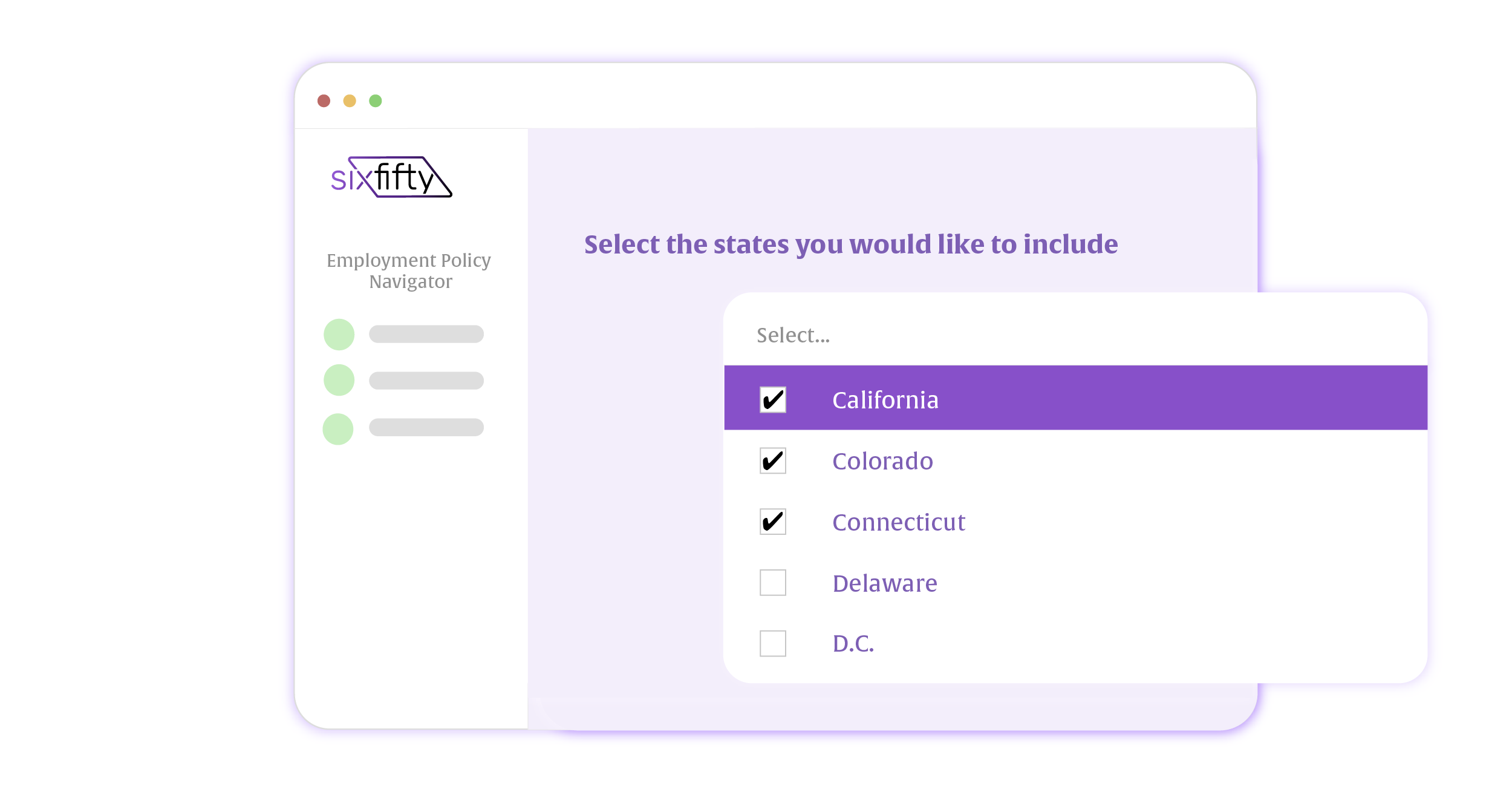
Save time researching state-specific laws. Select the states you want to  see—up to 50—and quickly compare required policies with our free Policy Navigator.

  • Leave policies
  • Accommodation policies
  • And more!

Hiring in a new state?

We wrote blogs about hiring out-of-state employees for all 50 states.

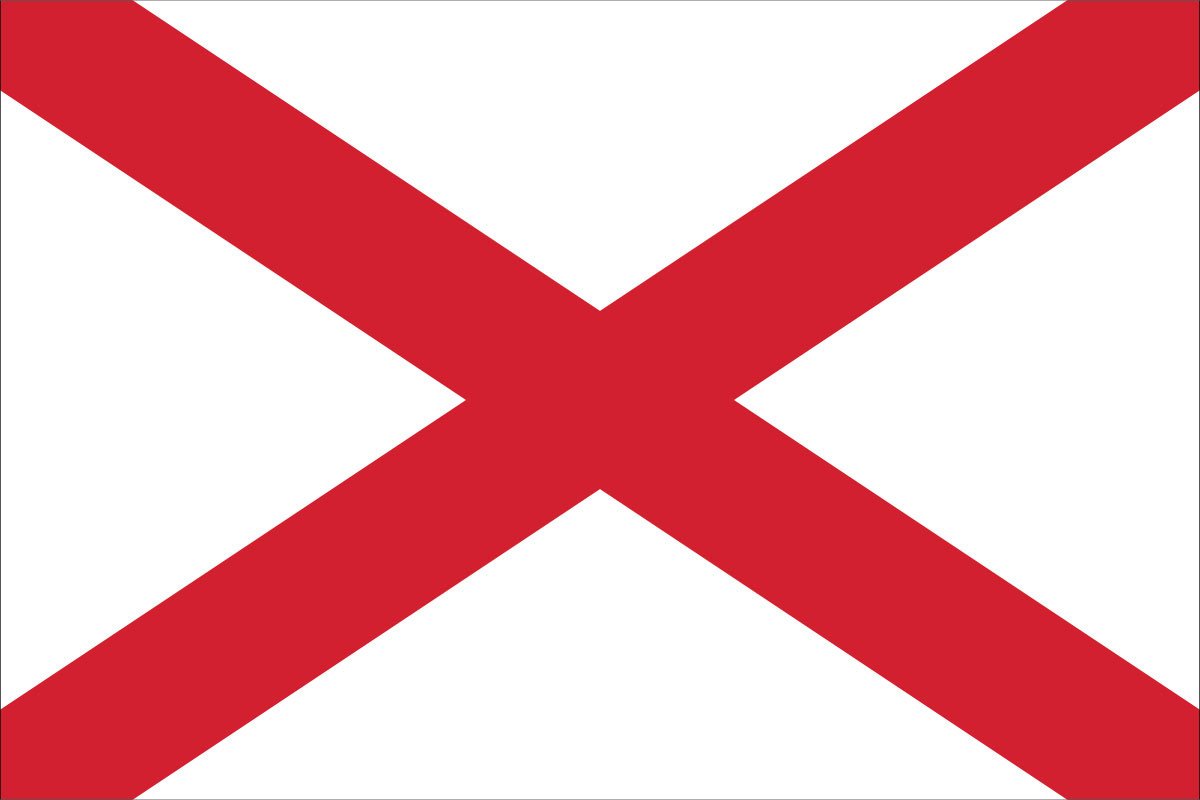
Alabama
Blog
Hiring Out-of-State Employees in Alabama (Updated for 2026)
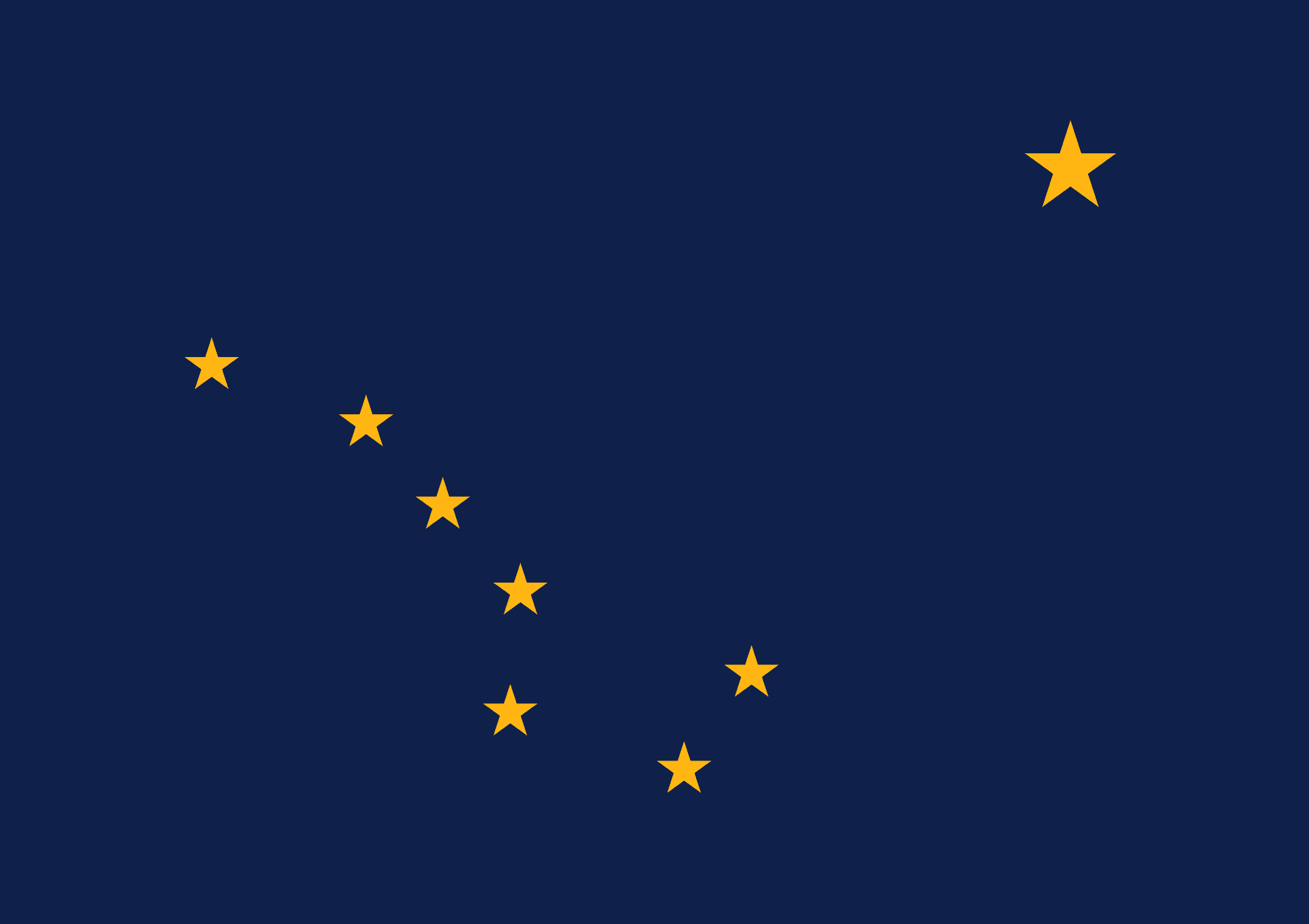
Alaska
Blog
Hiring Out-of-State Employees in Alaska (Updated for 2026)
Arizona
Blog
Hiring Out-of-State Employees in Arizona (Updated for 2026)
Arkansas
Blog
Hiring Out-of-State Employees in Arkansas (Updated for 2026)
California employee handbook
Blog
Hiring Out-of-State Employees in California (Updated for 2026)
Colorado
Blog
Hiring Out-of-State Employees in Colorado (Updated for 2026)
Connecticut
Blog
Hiring Out-of-State Employees in Connecticut (Updated for 2026)
Delaware
Blog
Hiring Out-of-State Employees in Delaware (Updated for 2026)
Blog
Hiring Out-of-State Employees in Florida (Updated for 2026)
Georgia
Blog
Hiring Out-of-State Employees in Georgia (Updated for 2026)
Blog
Hiring Out-of-State Employees in Idaho (Updated for 2026)
Iowa privacy law
Blog
Hiring Out-of-State Employees in Iowa (Updated for 2026)
Illinois state flag
Blog
Hiring Out-of-State Employees in Illinois (Updated for 2026)
Blog
Hiring Out-of-State Employees in Kansas (Updated for 2026)
Blog
Hiring Out-of-State Employees in Hawaii (Updated for 2026)
Blog
Hiring Out-of-State Employees in Indiana (Updated for 2026)
Blog
Hiring Out-of-State Employees in Louisiana (Updated for 2026)
Blog
Hiring Out-of-State Employees in Maine (Updated for 2026)
Blog
Hiring Out-of-State Employees in Michigan (Updated for 2026)
Blog
Hiring Out-of-State Employees in Minnesota (Updated for 2026)
Blog
Hiring Out-of-State Employees in Mississippi (Updated for 2026)
Blog
Hiring Out-of-State Employees in Montana (Updated for 2026)
Blog
Hiring Out-of-State Employees in New Hampshire (Updated for 2026)
Blog
Hiring Out-of-State Employees in North Dakota (Updated for 2026)
Blog
Hiring Out-of-State Employees in Ohio (Updated for 2026)
Blog
Hiring Out-of-State Employees in Oklahoma (Updated for 2026)
Blog
Hiring Out-of-State Employees in Kentucky (Updated for 2026)
Blog
Hiring Out-of-State Employees in Massachusetts (Updated for 2026)
Blog
Hiring Out-of-State Employees in Missouri (Updated for 2026)
Blog
Hiring Out-of-State Employees in Nebraska (Updated for 2026)
Blog
Hiring Out-of-State Employees in New Jersey (Updated for 2026)
New York employee handbook
Blog
Hiring Out-of-State Employees in New York (Updated for 2026)
Blog
Hiring Out-of-State Employees in Nevada (Updated for 2026)
Blog
Hiring Out-of-State Employees in New Mexico (Updated for 2026)
Blog
Hiring Out-of-State Employees in North Carolina (Updated for 2026)
Blog
Hiring Out-of-State Employees in Maryland (Updated for 2026)
Virginia flag
Blog
Hiring Out-of-State Employees in Virginia (Updated for 2026)
Washington Flag
Blog
Hiring out-of-state employees in Washington (Updated for 2026)
Wisconsin flag
Blog
Hiring Out-of-State Employees in Wisconsin (Updated for 2026)
West Virginia Flag
Blog
Hiring Out-of-State Employees in West Virginia (Updated for 2026)
Blog
Hiring Out-of-State Employees in Rhode Island (Updated for 2026)
Blog
Hiring Out-of-State Employees in Oregon (Updated for 2026)
Pennsylvania state flag
Blog
Hiring Out-of-State Employees in Pennsylvania (Updated for 2026)
Blog
Hiring Out-of-State Employees in South Carolina (Updated for 2026)
Blog
Hiring Out-of-State Employees in South Dakota (Updated for 2026)
Blog
Hiring Out-of-State Employees in Tennessee (Updated for 2026)
Blog
Hiring Out-of-State Employees in Texas (Updated for 2026)
Blog
Hiring Out-of-State Employees in Vermont (Updated for 2026)
Blog
Hiring Out-of-State Employees in Utah (Updated for 2026)
Wyoming Flag
Blog
Hiring Out-of-State Employees in Wyoming (Updated for 2026)

Schedule a demo

Join us for a free demo of our Employee Handbook or Employment Agreement tools.

Let's talk