Employment by State Resources
SixFifty makes multi-state employment compliance simple and efficient for HR and Legal teams. Easily research state-specific laws, generate essential compliance documents, and keep them up-to-date with evolving regulations through AI-powered legal updates, ensuring your organization stays compliant and protected.
Hiring Out-of-State Employees in Texas (Updated for 2026)
Hiring Out-of-State Employees in Texas (Updated for 2026)
Hiring Out-of-State Employees in Tennessee (Updated for 2026)
Hiring Out-of-State Employees in Tennessee (Updated for 2026)
Hiring Out-of-State Employees in South Dakota (Updated for 2026)
Hiring Out-of-State Employees in South Dakota (Updated for 2026)
Employee Complaints: Best Practices for Investigation & Resolution
Employee Complaints: Best Practices for Investigation & Resolution
Navigating employee complaints is a complex balancing act—requiring equal attention to the company’s legal obligations, the HR team’s fact-finding process, and employees' confidence that they are being taken seriously.
In this webinar, SixFifty legal and HR experts walk through:
- When employee complaints trigger a legal obligation to investigate, and what a timely and appropriate response should look like
- How to conduct effective interviews, gather the right information, and document the investigation
- Building effective reporting channels, preventing retaliation, and approaching corrective action consistently
Off-Duty Employee Conduct: Where HR Can (and Can’t) Legally Intervene
Off-Duty Employee Conduct: Where HR Can (and Can’t) Legally Intervene
From controversial social media posts and political activity to drug use, HR teams are often left determining when they can intervene (and when the law limits their options) in managing employee behavior outside of work.
Join SixFifty employment attorneys for a practical discussion of the laws governing employee conduct—and how employers can create and consistently enforce conduct policies without crossing legal lines. This webinar will help you:
- Understand the state-level limits on regulating off-duty conduct, such as voting, drug use, and other protected employee behavior
- Know when off-duty behavior can justify workplace action, such a situations involving social media, conflicts of interest, harassment, and more
- Get best practices for building defensible conduct policies within SixFifty’s Policy Library
Guide: 10 AI Prompts for HR Employment Compliance Tasks
Guide: 10 AI Prompts for HR Employment Compliance Tasks

Getting HR and Non-HR Teams Aligned on Compliance
Getting HR and Non-HR Teams Aligned on Compliance
HR can't build a culture of compliance alone.
From hiring managers and executives to legal and finance, employment compliance depends on cross-functional alignment across the organization—yet differing priorities, unclear responsibilities, and inconsistent processes often create unnecessary risk.
Join SixFifty and a panel of experienced HR practitioners for a discussion on:
- The most common compliance breakdowns between HR and hiring managers, executives, legal, finance, and employees—and how to prevent them
- How to navigate tricky conversations about compliance priorities and requirements
- Practical strategies for gaining buy-in, clarifying responsibilities, and building shared compliance accountability across your company
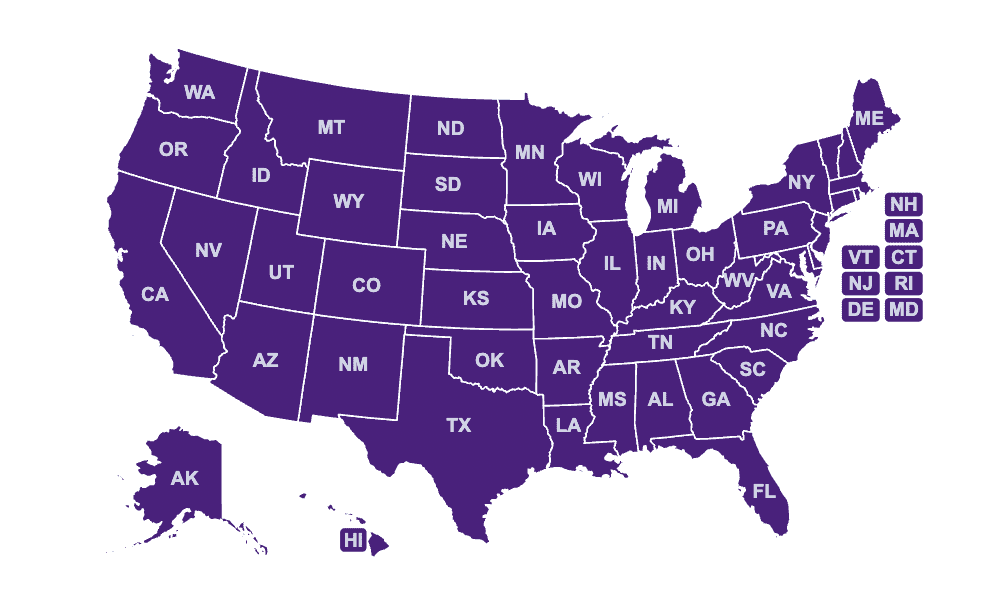
Colorado Restricts Restrictive Covenants
Colorado Restricts Restrictive Covenants
Hiring Out-of-State Employees in New Hampshire (Updated for 2026)
Hiring Out-of-State Employees in New Hampshire (Updated for 2026)
Hiring Out-of-State Employees in Nevada (Updated for 2026)
Hiring Out-of-State Employees in Nevada (Updated for 2026)
Hiring Out-of-State Employees in Nebraska (Updated for 2026)
Hiring Out-of-State Employees in Nebraska (Updated for 2026)
Hiring Out-of-State Employees in Montana (Updated for 2026)
Hiring Out-of-State Employees in Montana (Updated for 2026)
Hiring Out-of-State Employees in Missouri (Updated for 2026)
Hiring Out-of-State Employees in Missouri (Updated for 2026)
Hiring Out-of-State Employees in Mississippi (Updated for 2026)
Hiring Out-of-State Employees in Mississippi (Updated for 2026)
Hiring Out-of-State Employees in Minnesota (Updated for 2026)
Hiring Out-of-State Employees in Minnesota (Updated for 2026)
Hiring Out-of-State Employees in Michigan (Updated for 2026)
Hiring Out-of-State Employees in Michigan (Updated for 2026)
Hiring Out-of-State Employees in Massachusetts (Updated for 2026)
Hiring Out-of-State Employees in Massachusetts (Updated for 2026)

Hiring Out-of-State Employees in Maryland (Updated for 2026)
Hiring Out-of-State Employees in Maryland (Updated for 2026)