Employment Compliance Resources
SixFifty simplifies employment compliance for organizations, HR, and Legal departments. Effortlessly research necessary employment documents, create compliant paperwork, and stay current with evolving regulations through AI-driven legal updates.
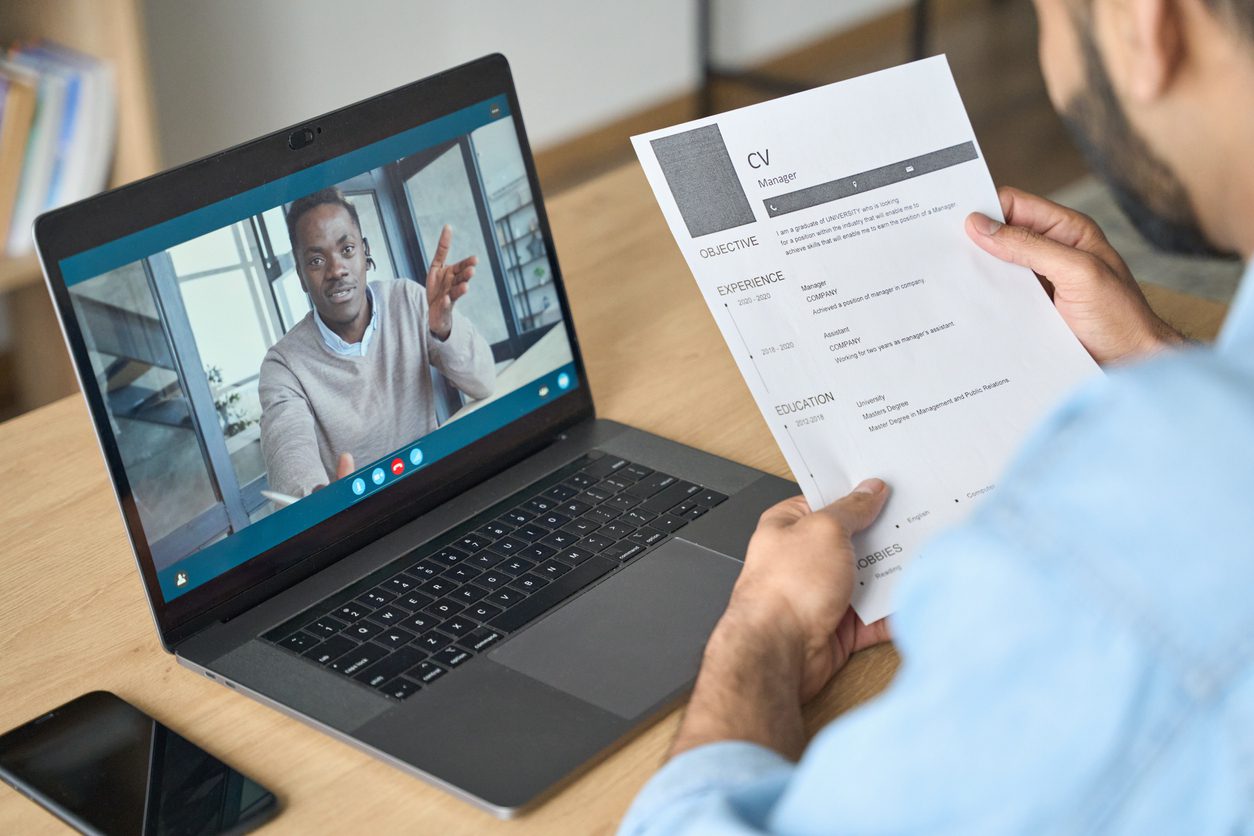
New independent contractor classification rules for 2026
New independent contractor classification rules for 2026

California Non-Compete Laws Get More Strict – 2025 Update
California Non-Compete Laws Get More Strict – 2025 Update

HR Compliance Issues Business Owners Need to Know in 2025
HR Compliance Issues Business Owners Need to Know in 2025
Employee Complaints: Best Practices for Investigation & Resolution
Employee Complaints: Best Practices for Investigation & Resolution
Off-Duty Employee Conduct: Where HR Can (and Can’t) Legally Intervene
Off-Duty Employee Conduct: Where HR Can (and Can’t) Legally Intervene
From controversial social media posts and political activity to drug use, HR teams are often left determining when they can intervene (and when the law limits their options) in managing employee behavior outside of work.
Join SixFifty employment attorneys for a practical discussion of the laws governing employee conduct—and how employers can create and consistently enforce conduct policies without crossing legal lines. This webinar will help you:
- Understand the state-level limits on regulating off-duty conduct, such as voting, drug use, and other protected employee behavior
- Know when off-duty behavior can justify workplace action, such a situations involving social media, conflicts of interest, harassment, and more
- Get best practices for building defensible conduct policies within SixFifty’s Policy Library
Guide: 10 AI Prompts for HR Employment Compliance Tasks
Guide: 10 AI Prompts for HR Employment Compliance Tasks

Getting HR and Non-HR Teams Aligned on Compliance
Getting HR and Non-HR Teams Aligned on Compliance
HR can't build a culture of compliance alone.
From hiring managers and executives to legal and finance, employment compliance depends on cross-functional alignment across the organization—yet differing priorities, unclear responsibilities, and inconsistent processes often create unnecessary risk.
Join SixFifty and a panel of experienced HR practitioners for a discussion on:
- The most common compliance breakdowns between HR and hiring managers, executives, legal, finance, and employees—and how to prevent them
- How to navigate tricky conversations about compliance priorities and requirements
- Practical strategies for gaining buy-in, clarifying responsibilities, and building shared compliance accountability across your company
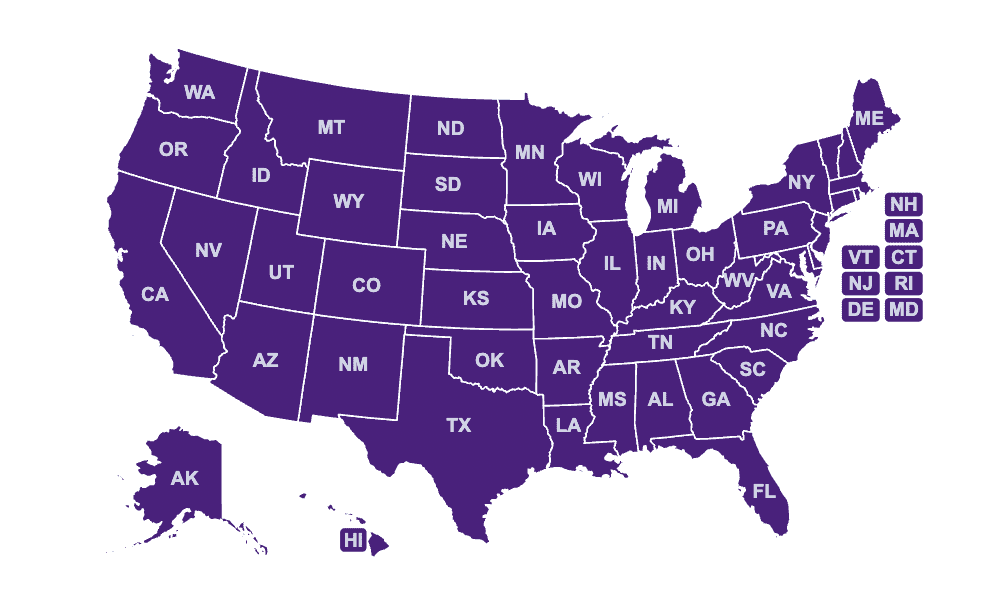

Hiring Hurdles: The Top 3 Most Challenging States for Hiring
Hiring Hurdles: The Top 3 Most Challenging States for Hiring

Telecommuting Policy Guidelines for 2026
Telecommuting Policy Guidelines for 2026
A Telecommuting Policy—also known as a telework policy or remote work policy—is a set of rules and guidelines that an organization establishes to define how employees can work from outside of a traditional office setting.

Workplace Violence Policy Guidelines for 2026
Workplace Violence Policy Guidelines for 2026
A Workplace Violence Policy is a set of guidelines and procedures established by an organization to prevent and address incidents of violence (or threats of violence) that may occur in the workplace.

Cell Phone Policy Guidelines for 2026
Cell Phone Policy Guidelines for 2026
A Cell Phone Policy is a set of written guidelines that define the acceptable use of mobile devices within a specific setting.

Video Conferencing Policy Guidelines for 2026
Video Conferencing Policy Guidelines for 2026
A Video Conferencing Policy is a formal document that outlines the organization’s expectations and regulations regarding the use of video conferencing platforms for business purposes.

Temporary Relocation Policy Guidelines for 2026
Temporary Relocation Policy Guidelines for 2026
A Temporary Relocation Policy is a formal document outlining the company’s guidelines and procedures for situations where an employee needs to relocate for a temporary period, typically ranging from a few weeks to several months.

Overtime Policy Guidelines for 2026
Overtime Policy Guidelines for 2026
An Overtime Policy is a formal document that outlines an organization’s procedures and expectations regarding working hours beyond the standard workweek.
At-Will Employment Policy Guidelines for 2026
At-Will Employment Policy Guidelines for 2026
An At-Will Employment Policy simply states that the employment relationship between an employer and an employee is not bound by a specific duration or reason for termination.
Drug and Alcohol Abuse Policy Guidelines for 2026
Drug and Alcohol Abuse Policy Guidelines for 2026
A Drug and Alcohol Abuse Policy is a formal document outlining an organization’s stance on the use of illegal drugs and alcohol in the workplace.
Weapons in the Workplace Policy Guidelines for 2026
Weapons in the Workplace Policy Guidelines for 2026
A Weapons in the Workplace Policy is a corporate policy that outlines rules and regulations regarding the possession and use of weapons within the workplace premises.

Dress Code Policy Guidelines for 2026
Dress Code Policy Guidelines for 2026
A Dress Code Policy dictates the appropriate attire for employees while they’re at work or otherwise representing the company.

Military Leave Policy Guidelines for 2026
Military Leave Policy Guidelines for 2026
A Military Leave Policy is more than just a formality—it's a powerful statement of support, ensuring your employees can fulfill their responsibilities with peace of mind.