
Employment Compliance Resources
SixFifty simplifies employment compliance for organizations, HR, and Legal departments. Effortlessly research necessary employment documents, create compliant paperwork, and stay current with evolving regulations through AI-driven legal updates.
Ohio Employee Handbook Requirements (Updated 2026)
Ohio Employee Handbook Requirements (Updated 2026)
Michigan Employee Handbook Requirements (Updated 2026)
Michigan Employee Handbook Requirements (Updated 2026)
Georgia Employee Handbook Requirements (Updated 2026)
Georgia Employee Handbook Requirements (Updated 2026)
Employee Complaints: Best Practices for Investigation & Resolution
Employee Complaints: Best Practices for Investigation & Resolution
Off-Duty Employee Conduct: Where HR Can (and Can’t) Legally Intervene
Off-Duty Employee Conduct: Where HR Can (and Can’t) Legally Intervene
From controversial social media posts and political activity to drug use, HR teams are often left determining when they can intervene (and when the law limits their options) in managing employee behavior outside of work.
Join SixFifty employment attorneys for a practical discussion of the laws governing employee conduct—and how employers can create and consistently enforce conduct policies without crossing legal lines. This webinar will help you:
- Understand the state-level limits on regulating off-duty conduct, such as voting, drug use, and other protected employee behavior
- Know when off-duty behavior can justify workplace action, such a situations involving social media, conflicts of interest, harassment, and more
- Get best practices for building defensible conduct policies within SixFifty’s Policy Library
Guide: 10 AI Prompts for HR Employment Compliance Tasks
Guide: 10 AI Prompts for HR Employment Compliance Tasks

Getting HR and Non-HR Teams Aligned on Compliance
Getting HR and Non-HR Teams Aligned on Compliance
HR can't build a culture of compliance alone.
From hiring managers and executives to legal and finance, employment compliance depends on cross-functional alignment across the organization—yet differing priorities, unclear responsibilities, and inconsistent processes often create unnecessary risk.
Join SixFifty and a panel of experienced HR practitioners for a discussion on:
- The most common compliance breakdowns between HR and hiring managers, executives, legal, finance, and employees—and how to prevent them
- How to navigate tricky conversations about compliance priorities and requirements
- Practical strategies for gaining buy-in, clarifying responsibilities, and building shared compliance accountability across your company
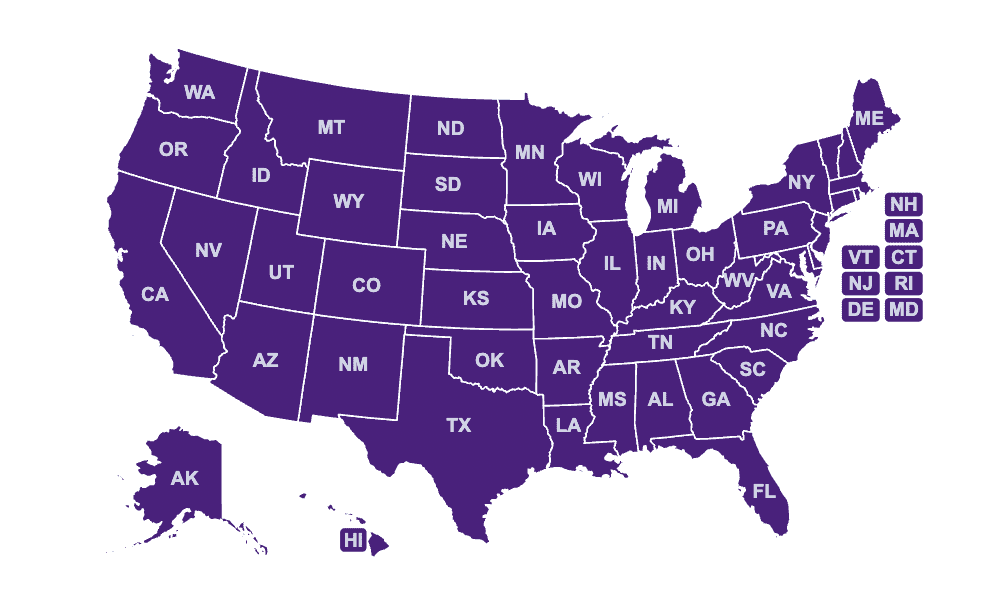

North Carolina Employee Handbook Requirements (Updated 2026)
North Carolina Employee Handbook Requirements (Updated 2026)

New Jersey Employee Handbook Requirements (Updated 2026)
New Jersey Employee Handbook Requirements (Updated 2026)

What’s a Credit Report and How Can You Dispute One?
What’s a Credit Report and How Can You Dispute One?

Employee Handbooks for Remote Employees: What to Include
Employee Handbooks for Remote Employees: What to Include

How Much Does an Employee Handbook Cost and What to Include
How Much Does an Employee Handbook Cost and What to Include

What is an Employee Termination Letter and How to Write One
What is an Employee Termination Letter and How to Write One

Arizona Employee Handbook Requirements (Updated 2026)
Arizona Employee Handbook Requirements (Updated 2026)
Texas Employment Separation Agreement
Texas Employment Separation Agreement
How to Create a Compliant Employee Handbook
How to Create a Compliant Employee Handbook
Learn what employee handbook compliance means, why it matters, and how to keep your handbook aligned with evolving employment laws and workplace policies.
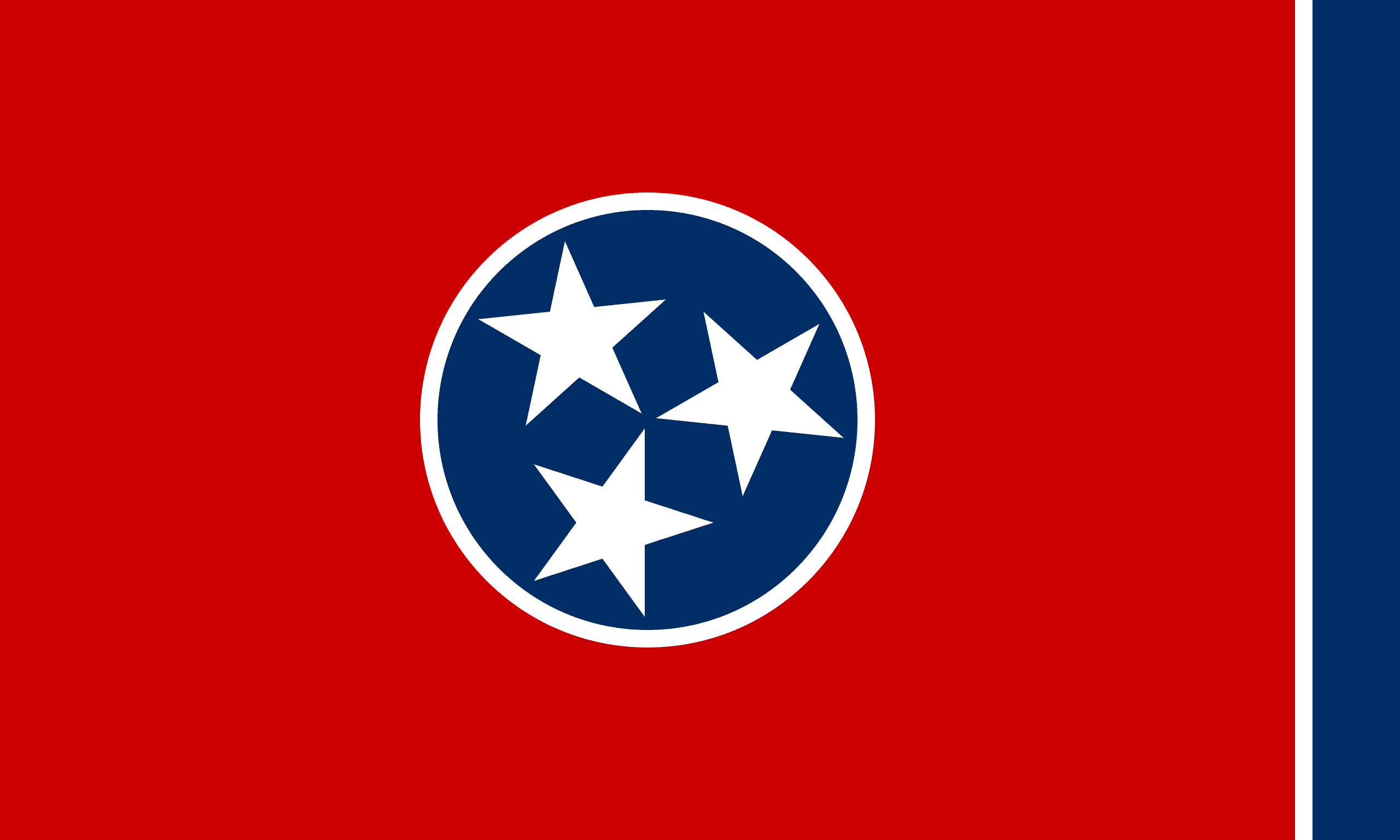
Tennessee Employee Handbook Requirements: What to Include (Updated 2026)
Tennessee Employee Handbook Requirements: What to Include (Updated 2026)

Are Non-Competes Enforceable in California?
Are Non-Competes Enforceable in California?